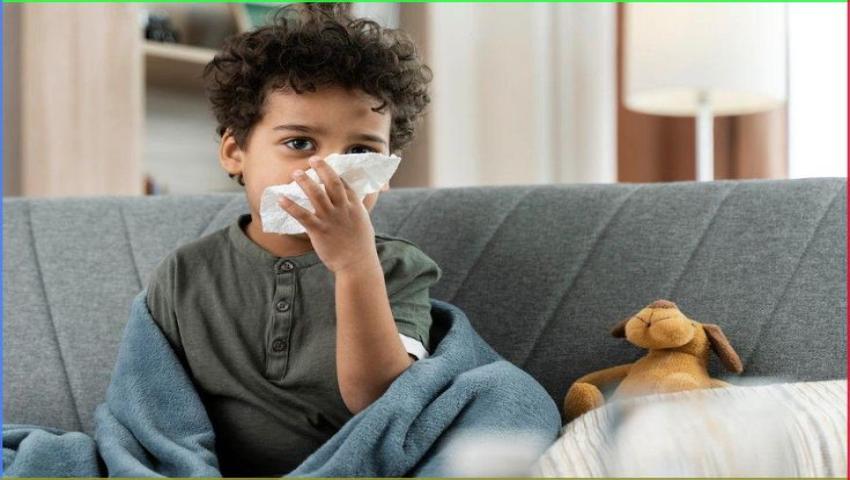
Cold and cough are among the most common health issues in children, especially during seasonal changes. Due to their developing immune systems, children are more prone to viral infections that affect the nose, throat, and respiratory tract. While these conditions are usually mild and self-limiting, they can cause discomfort for both the child and parents.
Understanding the causes, knowing how to manage symptoms at home, and recognizing when medical attention is needed can help parents handle cold and cough effectively without unnecessary worry.
Common Causes of Cold and Cough in Children:
Cold and cough in children are usually caused by viral infections, but several other factors can contribute to these symptoms.
Some common causes include:
- Viral infections such as the common cold
- Seasonal changes and weather fluctuations
- Exposure to dust, pollution, or allergens
- Weak immunity
- Contact with infected individuals
In most cases, viral infections are the primary cause and tend to resolve within a few days with proper care.
Symptoms to Watch For:
Cold and cough may present with a variety of symptoms depending on the severity and cause of the infection.
Common symptoms include:
- Runny or blocked nose
- Sneezing
- Dry or productive cough
- Mild fever
- Sore throat
- Irritability and poor sleep
These symptoms are usually mild but can sometimes interfere with feeding and sleep in younger children.
Effective Home Remedies for Cold and Cough:
Most cases of cold and cough can be managed at home with supportive care. The focus should be on relieving symptoms and keeping the child comfortable.
Parents can follow these simple remedies:
- Ensure adequate hydration with warm fluids
- Give steam inhalation (for older children)
- Use saline nasal drops for blocked nose
- Keep the child warm and well-rested
- Offer light, nutritious meals
- Use honey for cough relief (only for children above 1 year)
Avoid giving over-the-counter cough medicines without consulting a pediatrician.
When Should You Consult a Doctor?
Although cold and cough are usually mild, certain symptoms require medical attention. Ignoring these signs can lead to complications.
Consult a pediatrician if:
- Symptoms persist for more than 5–7 days
- High fever is present
- Breathing difficulty or fast breathing
- Continuous vomiting or poor feeding
- Severe cough disturbing sleep
- Child becomes unusually drowsy or inactive
Early consultation ensures proper diagnosis and prevents complications.
Difference Between Cold and Allergies:
Sometimes, parents confuse allergies with cold symptoms. While both may appear similar, there are key differences.
Cold is usually caused by infection and may include fever and body aches, whereas allergies are triggered by external factors like dust or pollen and often involve sneezing and itching without fever.
Understanding the difference helps in choosing the right treatment approach.
How to Prevent Cold and Cough in Children?
Prevention is always better than cure, especially for recurring infections.
Parents can take simple preventive measures:
- Maintain good hygiene and handwashing
- Avoid exposure to sick individuals
- Ensure proper nutrition and immunity
- Keep the child away from dust and pollution
- Follow vaccination schedules
Conclusion:
Cold and cough in children are common and usually not serious. With proper home care and monitoring, most children recover quickly. However, recognizing warning signs and seeking timely medical advice is essential for your child’s safety.
Staying informed and proactive helps parents manage these common illnesses with confidence.