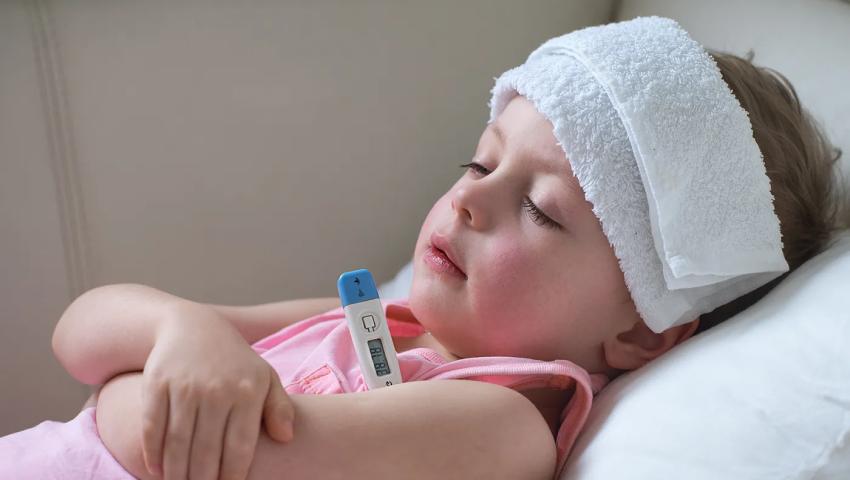
Fever is one of the most common health concerns in children and a frequent reason for pediatric consultations. It often causes anxiety among parents, especially when it appears suddenly or reaches high temperatures. However, fever itself is not a disease but a natural response of the body to fight infections.
In most cases, fever is harmless and resolves on its own with proper care. Understanding the causes, knowing how to manage it at home, and recognizing warning signs can help parents handle the situation confidently and avoid unnecessary panic.
What is Fever in Children?
Fever is defined as a rise in body temperature above normal levels, usually above 100.4°F (38°C). It is the body’s defense mechanism against infections such as viruses and bacteria.
Children are more prone to fever because their immune systems are still developing. While mild fever is usually not a cause for concern, persistent or very high fever may require medical attention.
Common Causes of Fever in Children:
Fever can occur due to various reasons, ranging from minor infections to more serious conditions. Identifying the cause helps in proper management and treatment.
Some of the most common causes include:
- Viral infections such as cold, flu, or viral fever
- Bacterial infections like throat infection or urinary infection
- Ear infections
- Gastrointestinal infections causing vomiting or diarrhea
- Teething (mild temperature rise, not high fever)
- Post-vaccination reaction
In most cases, viral infections are the leading cause and usually resolve within a few days.
Symptoms Associated with Fever:
Fever may be accompanied by other symptoms depending on the underlying cause. Observing these symptoms can help parents understand the severity of the condition.
Common associated symptoms include:
- Irritability or excessive crying
- Loss of appetite
- Weakness or tiredness
- Cold, cough, or runny nose
- Vomiting or loose motions
- Body aches
Home Care for Fever in Children:
Most cases of fever can be managed at home with proper care and monitoring. The goal is to keep the child comfortable and prevent dehydration.
Parents can follow these simple measures:
- Keep the child well hydrated with water, दूध, or ORS
- Dress the child in light clothing
- Give sponge bath with lukewarm water if fever is high
- Ensure adequate rest
- Give fever medicine only as prescribed by a doctor
Avoid self-medication or giving antibiotics without medical advice.
When Should You Worry?
While fever is usually harmless, certain signs indicate the need for immediate medical attention. Parents should not ignore these warning symptoms.
Seek medical help if:
- Fever lasts more than 3 days
- Temperature is above 102–103°F
- Child is very drowsy or difficult to wake
- Persistent vomiting or refusal to drink fluids
- Breathing difficulty
- Convulsions (febrile seizures)
- Rash along with fever
Early medical consultation ensures proper diagnosis and timely treatment.
Fever After Vaccination:
Mild fever after vaccination is common and usually resolves within 1–2 days. It indicates that the body is building immunity.
Parents should monitor the child and manage symptoms with proper care. However, if fever is very high or persistent, a pediatrician should be consulted.
Common Myths About Fever:
There are several misconceptions about fever that often lead to unnecessary worry or incorrect practices.
- Fever always needs antibiotics – Not true, most fevers are viral
- Higher fever means serious illness – Not always
- Teething causes high fever – Incorrect, it may cause only mild temperature rise
Understanding the facts helps parents manage fever more confidently.
Conclusion:
Fever in children is common and usually not a cause for concern. With proper care, hydration, and monitoring, most children recover quickly. However, recognizing warning signs and seeking timely medical advice is essential to ensure your child’s safety.
Staying informed and calm is the key to managing fever effectively.